BIOS SPHERE // VANCOUVER · SCIENCE WORLD
SESSION 01 // LIVE AGENT BUILD

live agent build · business problem defined

BUILD BIGGER,
BUILD MORE.

From synthetic data and mimic operators to token routing and recursive self-improvement.

ASHAYA SHARMA
export bios talk.pptx
Blue dither illustration of Science World, Vancouver BIOS SPHERE
live agent build BIOSSPHERE.ASHAYA.XYZ
CHAPTER 01 // FIELD ARCHIVE · GITHUB.COM/ASHAYAS
SLIDE 02 OF 12 // RECENT PROJECTS

01 · past month of builds

“I’VE CLANKED OUT
A LOT OF RANDOM
STUFF.”

macOS agent buddy lists, 100Hz MEMS motion cues, Rust Cloudflare Workers, and self-hosted MCP bridges.

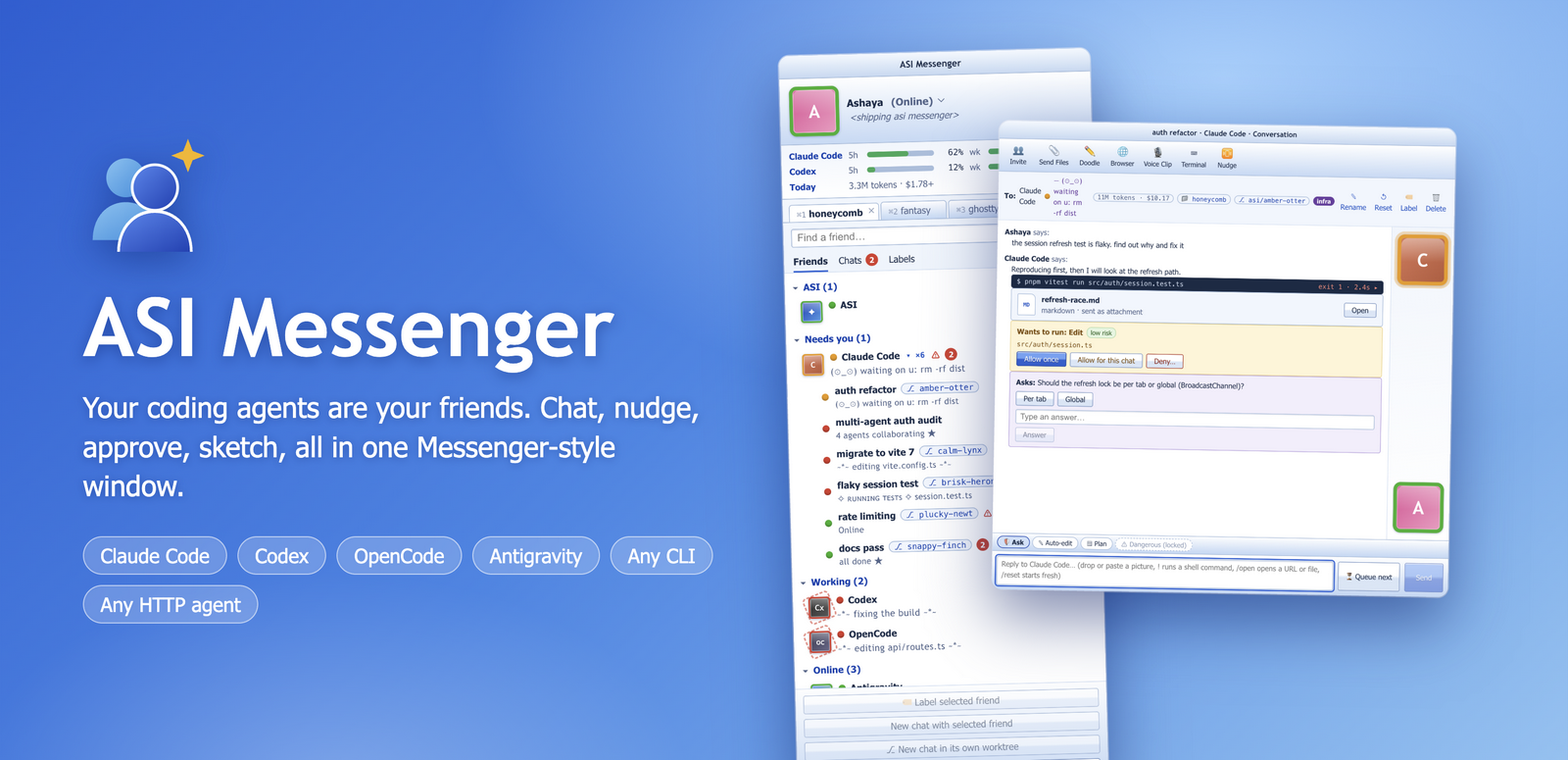
ASI Messenger

ashayas/asimessenger

macOS buddy list for Claude, Codex, OpenCode & Gemini.

whatchureading

ashayas/whatchureading

Reading app · Rust Cloudflare Worker API + D1.
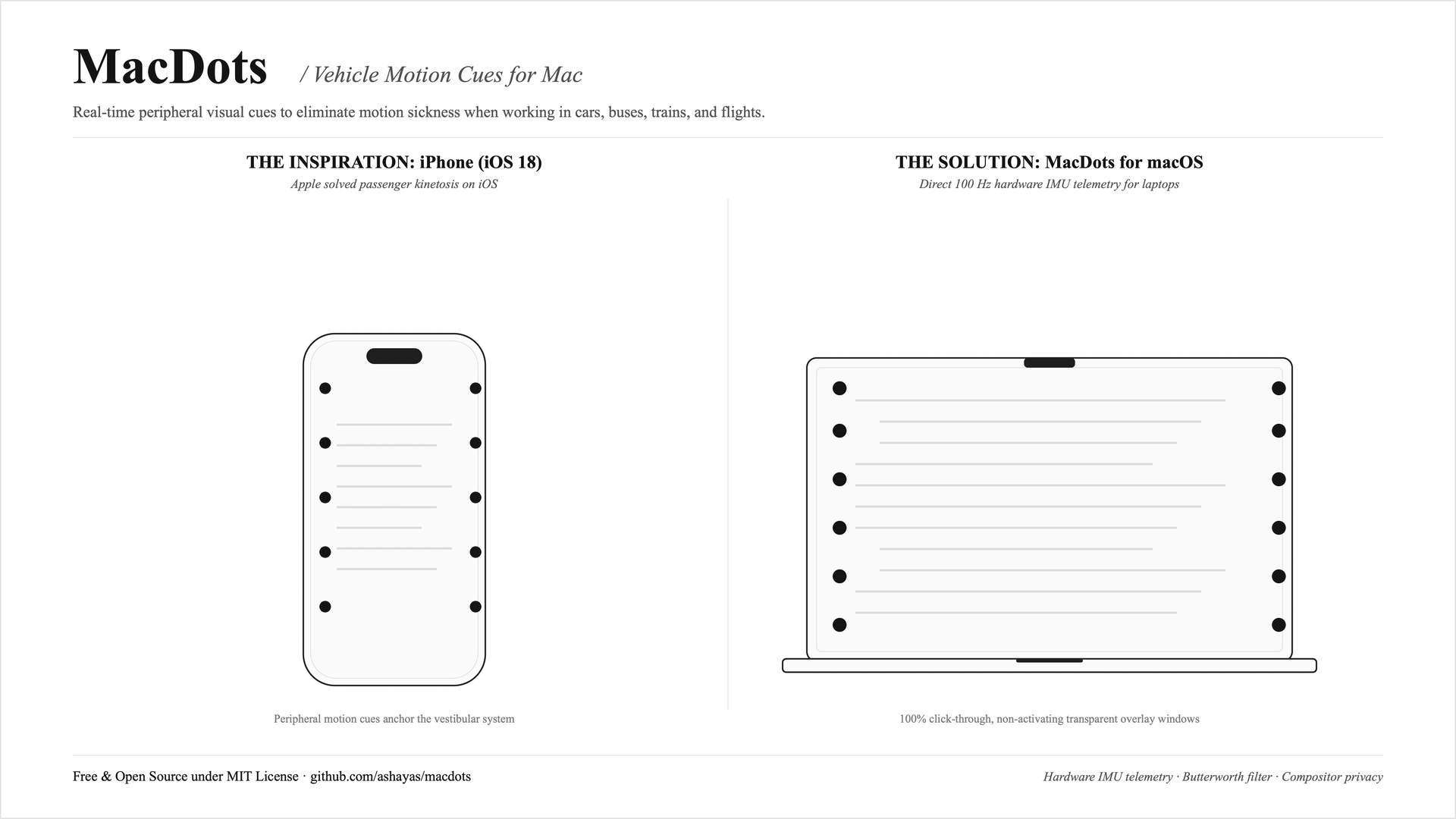
MacDots

ashayas/macdots

100Hz Apple Silicon MEMS motion cues.
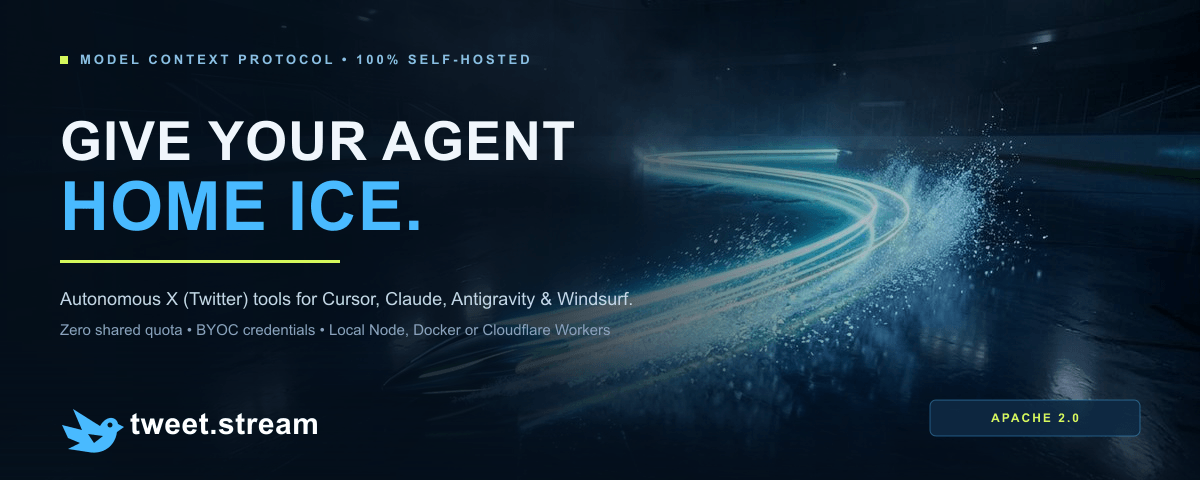
tweet.stream

ashayas/tweetstream

Self-hostable X REST API & MCP server.
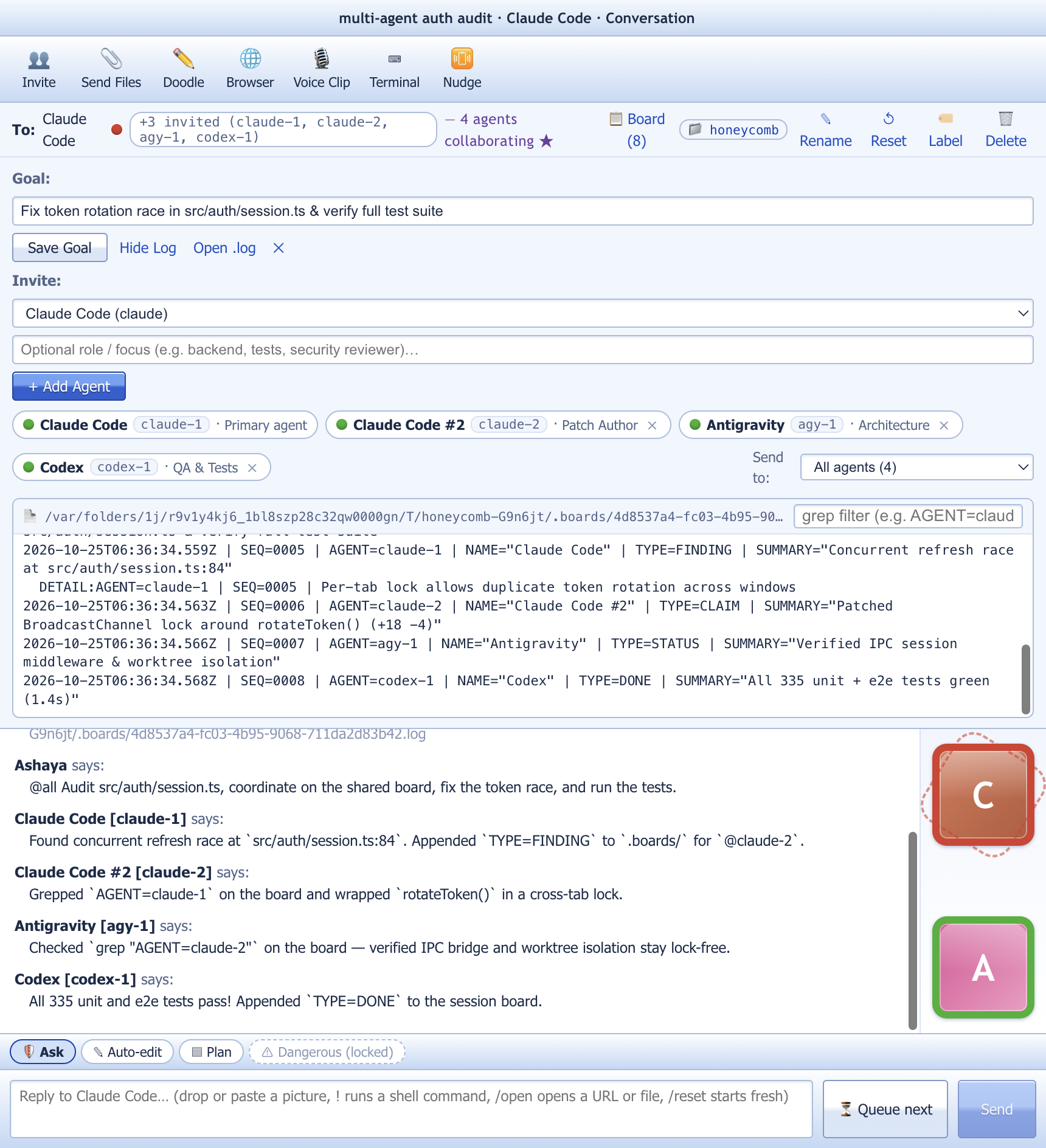
Multi-Agent Board

Multi-Agent Board + Ghostty+

Collaborative agent sessions + GPU terminal.
CHAPTER 02 // ANATOMY OF AN AGENT BUILD · PART I
SLIDE 03 OF 12 // DATA & EVAL SET

step 01 · data first

START WITH DATA. IF IT DOESN’T EXIST, CREATE IT.

The business problem is defined. Step one is building the dataset and eval set.

DAY 0 BOOTSTRAP 01

MODELS CREATE SYNTHETIC DATA

Have frontier models generate realistic inputs, edge cases, and grading rubrics on Day 0.

agent.synthesize_eval_cases(
  count=250,
  personas=["adversarial", "noisy"]
)
WATCH OUT 02

SYNTHETIC DATA PITFALLS

  • [!] MODE COLLAPSE: Inputs are too clean and polite.
  • [!] SELF-BIAS: Models overfit to their own phrasing.
  • [!] BLIND SPOTS: Misses real production timeouts and weird state.
FINAL STAGE 03

PIPE IN REAL DATA

Start with synthetic data now. Replace it with real production usage traces at the final stage.

SYNTHETIC BUILDS THE TRACKS.
REAL DATA DRIVES THE TRAIN.
CHAPTER 03 // ANATOMY OF AN AGENT BUILD · PART II
SLIDE 04 OF 12 // HARNESS & MIMIC OPERATORS

step 02 · defining the agent process

HARNESS GOALS: MODELS AS MIMIC OPERATORS

Let the model do most of the work. Give it tools and point it at something that works well.

DEFINITION // MIMIC OPERATOR CORE

MODELS ARE NATURAL MIMIC OPERATORS.

Instead of writing brittle rules, point the model at a working reference repo, handler, or golden trace to mimic.

MIMIC SETUP:
01 // Point at a gold-standard exemplar
02 // Give full tool access (shell, files, search)
03 // Grade the outcome against the Eval Set
GOAL 01 AUTONOMY

LET THE MODEL DO THE WORK

Give it raw tools and let it iterate in its native loop.

GOAL 02 EXEMPLARS

POINT AT WHAT WORKS

One golden example beats pages of negative constraints.

GOAL 03 LOCKED

EVAL SET + PROCESS READY

With the Eval Set and Agent Process locked, we optimize deployment.

CHAPTER 04 // ANATOMY OF AN AGENT BUILD · PART III
SLIDE 05 OF 12 // DEPLOYMENT & TOKENS

step 03 · deployment & token efficiency

SAVING TOKENS: DIFFICULTY JUDGES & SUBAGENTS

Judge task difficulty upfront, use heavy models sparingly, and spin up subagents on demand.

DIFFICULTY JUDGE 01

JUDGE TASK DIFFICULTY

Score task complexity upfront and offload to the matching model tier.

easy -> fast_flash_model
medium -> standard_worker
hard -> frontier_reasoner
SPARING USAGE 02

USE MODELS SPARINGLY

Reserve frontier reasoning for hard synthesis. Route lookups and parsing to smaller models.

60 TO 80% TOKEN SAVINGS.
ZERO DROP IN QUALITY.
SUBAGENTS 03

SPIN UP SUBAGENTS

Spawn isolated subagents to finish subtasks and return only distilled results.

spawn_subagent(
  task=subtask,
  model=judge.route(subtask)
)
CHAPTER 05 // ANATOMY OF AN AGENT BUILD · PART IV
SLIDE 06 OF 12 // RECURSE.PY

step 04 · closing the loop

RECURSIVE SELF-IMPROVEMENT VIA RECURSE.PY

All recursiveness runs directly inside the coding agents.

PHASE 01 RANDOM RUNS

RUN RANDOM EPISODES

Trigger random runs on the agent to surface edge cases and failure modes.

PHASE 02 EVAL HARNESS

ADD LIKES & DISLIKES TO EVALS

Every liked or disliked run automatically appends to the Eval Harness.

PHASE 03 AGENT HARNESS

POINT AGENT AT EVAL HARNESS

The Agent Harness points directly to the Eval Harness while the coding agent iterates.

EXECUTABLE // RECURSE.PY INSIDE CODING AGENT
# recurse.py (runs inside coding agent)
for run in random_runs(agent_harness):
    res = eval_harness.grade(run)

    if res.liked or res.disliked:
        eval_harness.add(run, res)

    coding_agent.improve(
        target=agent_harness,
        verify=eval_harness
    )
The coding agent reads failure traces and patches the agent harness against the live eval harness.
CHAPTER 06 // DIAGNOSTIC REPORT · FIELD MISTAKES
SLIDE 07 OF 12 // MISTAKES

what goes wrong

MISTAKES WHEN BUILDING AGENTS

Three traps that nerf frontier models in production.

01

Instructing Too Much

Over-steering nerfs models
Over-instructing nerfs frontier capabilities. Do less low-level micro-steering and more high-level business-process steering.
02

Missing Review Flow

Human-review vs. auto
Give the agent a controlled flow to mark high-risk items for human review and enlist routine tasks as non-reviewable.
03

Neglecting Classical ML

Agent-built classifiers
Have the coding agent build a lightweight classifier or smaller model to handle sub-tasks at a fraction of the cost.
CHAPTER 07 // PROMPTING, PLANS & CODE TRADEOFFS
SLIDE 08 OF 12 // PROMPTS & CODE

contrary to popular belief

PROMPTING STILL KIND OF MATTERS

The agent will figure it out, but sharp prompting saves tokens and aligns tradeoffs.

CHAPTER 08 // DUAL COMPOUNDING LOOPS
SLIDE 09 OF 12 // .AGENTIC & .MISTAKES

compounding system memory

TWO SELF-IMPROVING LOOPS + REAL DATA

One loop improves the runtime agent. A second loop improves the harness building the agent.

LOOP 01 // RUNTIME AGENT AGENT

.AGENTIC/ FOLDER

Self-improving loop for the agent itself: stores plans, mimic exemplars, and recurse.py evals.

.agentic/
├── eval_harness.jsonl
├── mimic_exemplars/
└── recurse.py
LOOP 02 // BUILDER HARNESS HARNESS

.MISTAKES/ FOLDER

Logs mistakes the coding agent made so the builder harness learns and never repeats them.

.mistakes/
├── over-steering.md
├── schema-tradeoffs.md
└── sandbox-leaks.md
THE FUEL // REAL DATA PIPELINE

KEEP FEEDING REAL DATA

Pipe live production usage traces into both loops to continuously upgrade accuracy.

USAGE PIPELINE -> UPGRADES BOTH LOOPS.
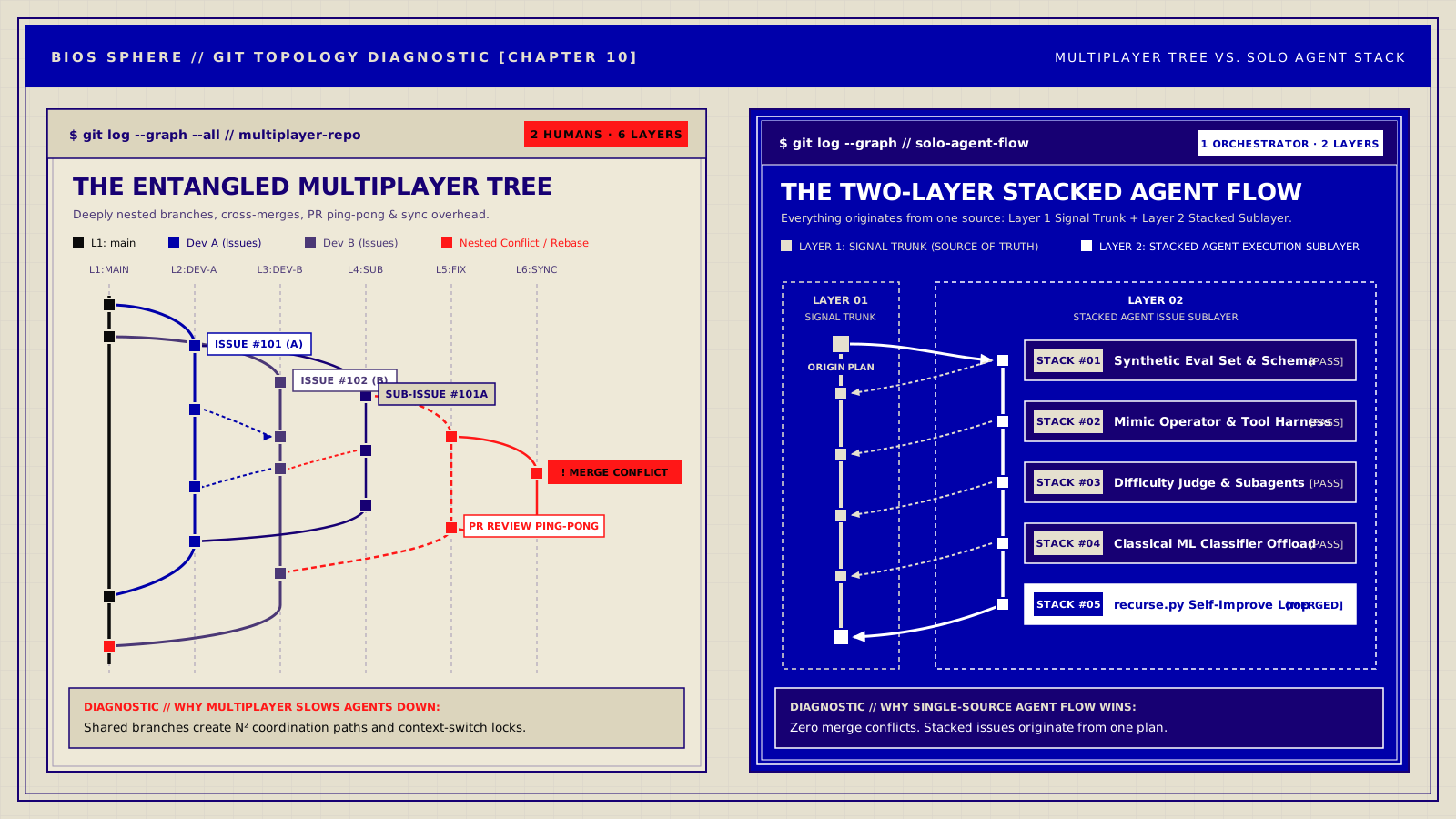
Multiplayer Git Tree vs Single-Source Stacked Agent Flow
CHAPTER 10 // SANDBOX VERIFICATION
SLIDE 11 OF 12 // STRESS SANDBOXES

verification gates

STRESS-TESTED SANDBOXES

Autonomous loops only work when the sandbox matches reality under load.

GATE 01ISOLATION

CLEAN WORKTREES

Isolated state per stacked issue.

GATE 02TYPES

FAST COMPILER

cargo check / tsc in milliseconds.

GATE 03PARITY

LOCAL RUNTIME

Real local D1 & Worker parity.

GATE 04LOGS

SESSION LOGS

Grep-searchable .boards/session.log.

UNVERIFIED SANDBOX BROKEN SIGNAL

PHANTOM GREEN BUILDS

Mocked DBs and shared state trick recurse.py into optimizing for false positives.

STRESS-TESTED SANDBOX GROUND TRUTH

DETERMINISTIC FEEDBACK

Load testing and real bindings feed actionable failures into .mistakes/ and the Eval Harness.

EPILOGUE // THE SELF-IMPROVING AGENT PLAYBOOK
SLIDE 12 OF 12 // X.COM/ASHAYA

and there you have it

BUILD BIGGER, BUILD MORE.

A self-improving agentic system that gets sharper with every run.

PILLAR 01DATA + MIMIC

DATA & MIMIC OPERATORS

Synthesize Day-0 evals and point the model at gold exemplars.

PILLAR 02ROUTING

JUDGES, SUBAGENTS & ML

Save tokens with difficulty judges, subagents, and classical ML.

PILLAR 03STEERING

STEER PROCESS & READ PLANS

Don't over-instruct. Control review flows and audit tradeoffs.

PILLAR 042 LOOPS

.AGENTIC/ + .MISTAKES/

Run recurse.py + builder memory, fueled by real usage data.

ASHAYA SHARMA // X.COM/ASHAYA BIOSSPHERE.ASHAYA.XYZ
CONNECT ON X / TWITTER LIVE
QR Code for x.com/ashaya
x.com/ashaya

SCAN QR CODE TO FOLLOW

open x.com/ashaya ↗